If you’ve ever tried bathing a 70-pound dog in a standard tub or stepping barefoot on a water bowl at 2 a.m., you know why I call our house a “pet obstacle course.” Add six kids, a busy teaching schedule, and my Air Force-honed knack for fixing things, and you’ve got a recipe for chaos.
But here’s what I’ve learned: you don’t have to choose between loving your pets and loving your home. With a little creativity, you can design spaces that are functional, stylish, and built for real family life.
In my latest post, I share seven genius DIY pet-friendly upgrades—everything from pull-out feeding drawers to wall-mounted cat highways and outdoor “catios.” They’re practical, affordable, and 100% tested in the trenches of big-family living.
Dinner for eight, a blender humming in the background, the dog pacing underfoot, and my daughter yelling that the bird is acting weird near the oven… Welcome to my kitchen.
It took me way too long to realize that what we cook with matters just as much as what we cook. Many of the “convenient” kitchen gadgets I’d bought over the years were coated with chemicals that not only wear down over time but also release fumes that can harm pets (especially birds) and put extra toxins into every family meal.
Big families like mine practically live in the kitchen — which means every choice we make in cookware and appliances stacks up over years. The good news? Swapping to non-toxic kitchen appliances doesn’t mean breaking the bank. It just means knowing what to look for (and what to avoid).
There are days when no amount of advice, encouragement, or “hang in there” quotes make a dent. You’ve been there, right? A tough diagnosis. A fight that lingers. The weight of everyday life pressing harder than usual. Words fall short, and the silence that follows feels heavier than the struggle itself.
But here’s what I’ve learned as a dad of six, a husband of over twenty years, and a veteran who’s seen both chaos and calm: hope doesn’t vanish when words fail. It simply shifts forms. Sometimes it comes through a story that reminds us of resilience. Sometimes it shows up in a small ritual that steadies the day. And sometimes it’s hidden in history — like moments of peace during war that remind us of the light inside the darkest nights.
👉 I put together a collection of powerful stories, quotes, and practical tools that have carried me (and countless others) through life’s hardest seasons. You can read the full post here: https://lifetimefamilyjourney.blog/when-words-fail-hope
When you’ve got six kids under one roof like I do, the words “What’s for dinner?” can feel like a daily interrogation. Some nights I’ve stared at the pantry shelves thinking the only thing I could serve was a box of pasta or a can of beans.
But here’s the truth I learned the hard way: pantry meals don’t have to be boring. They don’t have to be loaded with empty carbs either. With the right mix of staples — think beans, quinoa, tuna, eggs, and even peanut butter — you can put real protein on the table fast.
I pulled together ten of my go-to high-protein pantry meals that are budget-friendly, kid-approved, and ready in half an hour or less. They’ve saved my evenings more than once, and I’m betting they’ll do the same for you.
You walk out of the doctor’s office with a label stuck in your head and no roadmap for what comes next. “Generalized anxiety disorder.” “Major depressive episode.” Maybe “bipolar II.” They sound clinical—neat, sterile, technical. But what they don’t come with is a manual for how it feels to carry those words into the rest of your life.
This post is for the people who’ve just received a mental health diagnosis and feel more lost than relieved. It’s a clear, compassionate walk through what those labels actually mean—and what they don’t. If you're ready to learn the difference between a diagnosis and an identity, this one's for you.
Choosing the right mental health professional can feel like navigating a maze of acronyms—LPC, LCSW, PsyD, PMHNP. If you’ve ever stared at a business card or insurance directory wondering what those letters mean, you’re not alone. As a dad of six, I’ve learned firsthand how important it is to understand these differences before making that first appointment. The truth? Picking the wrong provider doesn’t just waste time—it can delay real progress for months. In my latest post, I break down the core types of professionals, their specialties, and how to decide who’s right for your family. Whether you’re dealing with anxiety, ADHD, or complex family dynamics, the right match matters more than the credentials on the wall.
When you’ve got six kids packed into one SUV, every family road trip starts with the same soundtrack: “Dad, can we change the playlist?” followed closely by “He’s touching me!” But here’s the thing—those chaotic car moments have become some of my favorite memories.
Virginia makes road tripping easy for families because it’s compact yet wildly diverse. In just a few hours, you can go from mountains to beaches, historic battlefields to small fishing towns, and horse-filled islands to cozy mountain orchards. I’ve driven these roads for years, from Skyline Drive in Shenandoah to the Colonial Parkway linking Williamsburg, Jamestown, and Yorktown. Each trip delivers something new for my kids to see, taste, or argue about (usually snacks).
The beauty of Virginia family road trips is that they’re affordable, educational, and surprisingly relaxing once you accept that perfection isn’t the goal. It’s the detours, the pony sightings, the unexpected pie shops, and the conversations that happen at 65 mph that create the memories.
👉 Want to know which 5 Virginia scenic drives my family keeps coming back to? I’ve broken them down, with kid-friendly stops, cost tips, and seasonal highlights here: Read the full guide →
Last Tuesday morning, my kitchen looked more like a circus than a classroom. One kid was crying over a missing science notebook, another was building a fort with the dining chairs, and my teenager was in tears over a history project I didn’t even know was due. Somewhere in the chaos, my wife looked at me over her coffee and said, “Didn’t you spend all of July learning how to plan this homeschool year?”
The truth is, after 15+ years homeschooling six kids, I’ve learned this lesson the hard way: you can’t just wing it when you’re teaching multiple ages at once. Burnout is real, and if you don’t have the right systems in place, it will catch up to you fast.
That’s why I’ve developed strategies to:
Set goals that actually matter (beyond just academics).
Choose curriculum that works for multiple ages without draining your wallet.
Prevent burnout by building rest and margin into your year.
Balance group learning with individual attention, even in a busy household.
The good news? You don’t need a perfect planner or a color-coded schedule to make homeschooling work for a large family. What you do need is a framework that supports your family’s unique rhythm and keeps everyone — including you — sane and motivated.
👉 In my full guide, I break down exactly how to plan a homeschool year for a big family without burnout — complete with goal grids, margin strategies, and a flexible year plan you can actually stick with.
I flicked the kitchen light on at 2 AM and froze. An entire ant army scattered across my counter like they’d just been caught red-handed at an all-you-can-eat buffet. Their target? The sticky remains of what used to be a popsicle—courtesy of my six-year-old, who apparently thinks counters are giant napkins.
I’ve fought enough battles in twelve years of Air Force maintenance to know when I’m outnumbered… but this was different. No hazmat suit, no chemicals, and no fancy equipment. Just me, six kids who somehow leave crumbs like calling cards, and a swarm of pests determined to take over my kitchen.
What I discovered in that moment—and in the countless battles since—is that you don’t need harsh sprays or chemical foggers to keep your home pest-free. In fact, the safer, family-friendly methods I use now work better and last longer.
Ever feel like your house transforms into a late-night circus the moment you say “bedtime”? Between teenagers negotiating like lawyers, younger kids finding urgent reasons to rearrange their sock drawers, and parents collapsing into bed with phones in hand, sleep can feel like a battle you’re destined to lose.
But here’s the thing: healthy sleep habits for families aren’t a myth. With the right balance of science, consistency, and realistic routines, bedtime can actually shift from nightly chaos into a rhythm that works. When everyone gets the rest they need, mornings stop being a war zone, and family life starts to feel more manageable.
👉 I put together a full guide on how to create sleep routines that stick, how to deal with stalling tactics, and why your teen isn’t actually a vampire (even if they act like one). Read the complete post here: Healthy Sleep Habits for Families That Actually Stick
There’s this moment every parent of teens faces: the bedroom door slams, the car keys jingle as they head out, or the phone lights up with endless group texts that don’t include you. As a father of six (with four teenagers under one roof), I’ve lived through all of it—sometimes laughing, sometimes grinding my teeth, and often wondering if I was doing this whole parenting thing right.
Here’s what I’ve learned: independence isn’t the enemy. It’s proof that our kids are growing exactly the way they should. The real challenge is staying connected while giving them the freedom to become their own people. That balance doesn’t come naturally—it takes trial, error, and a whole lot of humility.
In my latest post, I’m sharing 10 proven ways to stay close to your teen without smothering them. From family dinners to building trust through responsibility, these strategies are what kept me sane (and my kids still talking to me).
There I was, standing under freezing water at six in the morning, wondering if I’d finally lost it. Cold showers are supposed to wake you up, boost your mood, and toughen your mind. What it actually did in that moment was make me question every life choice I’d ever made—including having six kids who would be awake in less than an hour.
From there, I decided to take it further: sauna sessions, hot-cold contrast cycles, breathwork—basically every wellness hack I’d seen online. Some were brutal, some were surprisingly doable, and a few even made me feel like I’d found a secret energy source buried under the exhaustion of parenting.
So what’s hype and what’s actually worth trying in real family life? That’s what I set out to figure out.
One minute you’re tossing kids in the pool like a champ, the next you’re grunting just to get off the couch. The difference isn’t just age — it’s hormones, specifically testosterone.
From energy and mood to muscle and motivation, this tiny hormone quietly runs the show. When it dips, so does your drive, recovery, and focus. But here’s the good news: low testosterone isn’t just “getting older” — it’s something you can understand, test, and improve.
👉 In this guide, I cut through the noise on men’s health, breaking down symptoms, myths, lifestyle fixes, medical options, and what’s actually worth your time. If you’ve been wondering why your body feels off — or if the dreaded “dad bod” showed up uninvited — this one’s for you.
Does your marriage feel more like managing chaos than a partnership? When the calendar is packed and the kids are demanding, it's easy to feel like you and your spouse are just ships passing in the night. We've been there. We discovered the secret isn't grand gestures, but gritty, everyday teamwork. Learn how we turned the daily grind into our greatest strength and built a connection that lasts.
Parenting is beautiful and relentless. Some days you’re running carpool like a pro; other days you’re hiding in the pantry with chocolate chips and a five-minute countdown. Here’s the truth no one tells you: taking care of yourself isn’t indulgent—it’s the engine that keeps your family running.
In my new guide, I break down realistic self-care that actually fits busy family life: stealth strategies (bathroom sanctuary, car meditation, kitchen dance parties), building your village without guilt, 10-minute movement wins, sleep you can actually get, and emergency resets for when the day goes completely off the rails. No perfection, no pressure—just sustainable habits that help you show up as a present, healthy parent.
As a dad of six, I’ve learned the difference between “just another children’s book” and a story that makes kids beg for one more chapter. That’s the magic of living books — stories written with heart, rich language, and characters that stay with your kids long after the last page.
Most early reading advice points to textbooks and leveled readers. Helpful, sure. But do they spark imagination? Do they build family memories? Not usually.
That’s where living books shine. From Charlotte’s Web to The Burgess Bird Book, these stories don’t just teach reading — they help kids fall in love with learning itself.
👉 In my full guide, I share 20 must-read living books for early readers, plus a free printable PDF with a reading log, rotation planner, and tracker to make family reading time simple and fun.
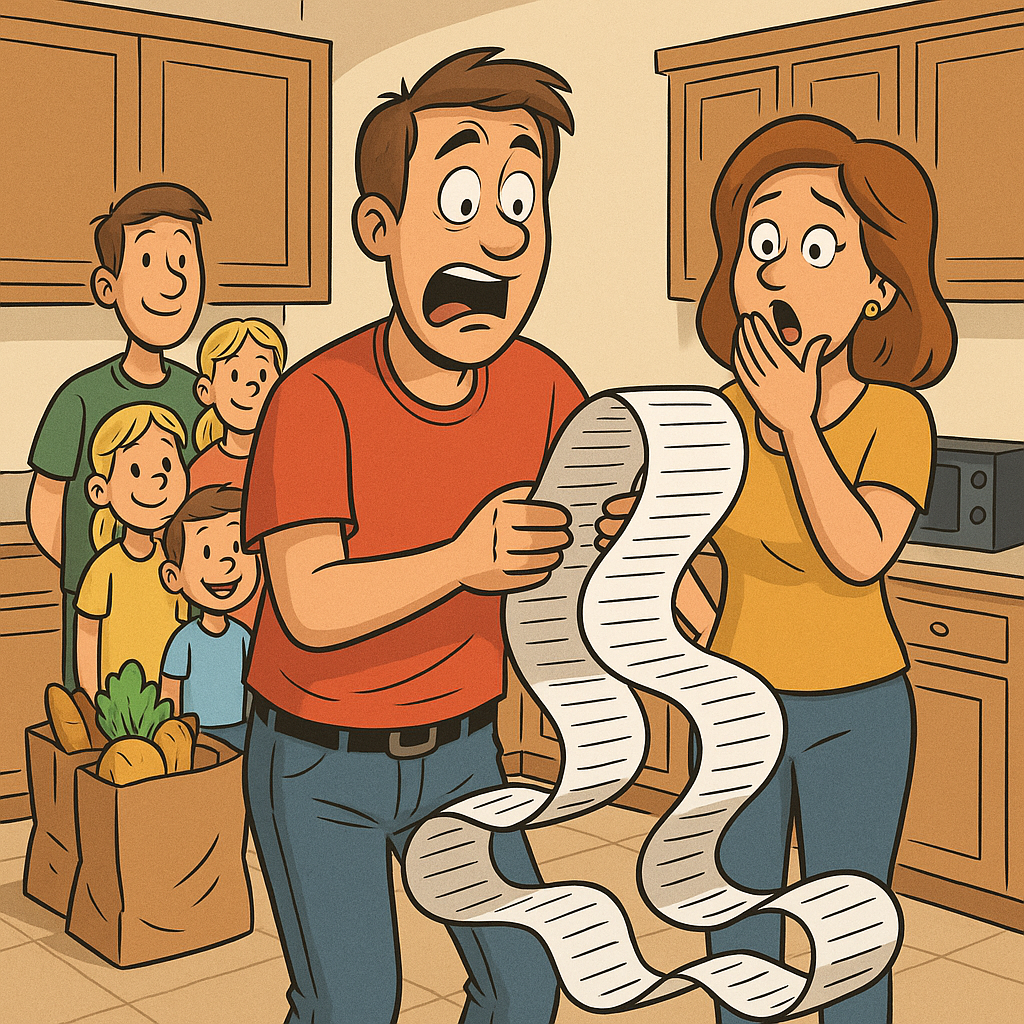
Large family money hacks become essential when your grocery receipts look like novels. The last one I brought home was three pages long—for one week of feeding six kids.
I stared at the number at the bottom and wondered if we’d accidentally bought the entire dairy section. Nope. That’s just life when you’re running a household the size of a small army.
If you’re raising multiple kids, you know the drill:
Grocery bills that make you question your life choices
Sports fees that show up like clockwork
Clothes that vanish faster than socks in the dryer
Gas tanks that empty about as fast as teenagers drain a gallon of milk
But here’s the thing: cutting costs doesn’t have to mean cutting joy. It just means getting smarter about where your money goes.
Why Large Families Struggle With Normal Money Advice
Most budgeting guides are written for 2 adults and maybe 2.3 kids. When you’ve got six ranging from teenagers to toddlers, that advice feels about as useful as a chocolate teapot.
Meal Planning Hacks That Save Hundreds
Food is where large families can make or break their budget. Batch cooking and freezer meals became our lifeline. Chili, casseroles, and spaghetti sauce feed eight people without requiring a second mortgage. Chili, in fact, is the duct tape of family meals—it holds everything together and somehow works for days.
Grocery Shopping Tricks That Work
Shopping for eight people isn’t a stroll through the aisles—it’s a military operation. Aldi for basics, Costco for bulk, and coupon apps like Ibotta for the cherry on top. One time we went through three gallons of milk in two days. At this point, I should probably just buy a cow.
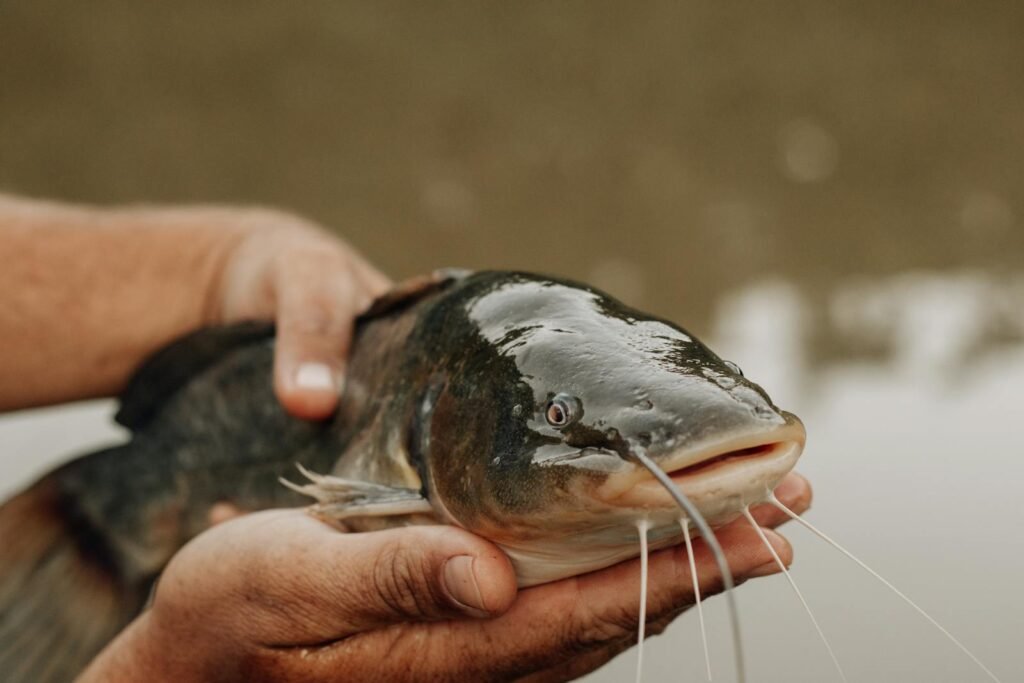
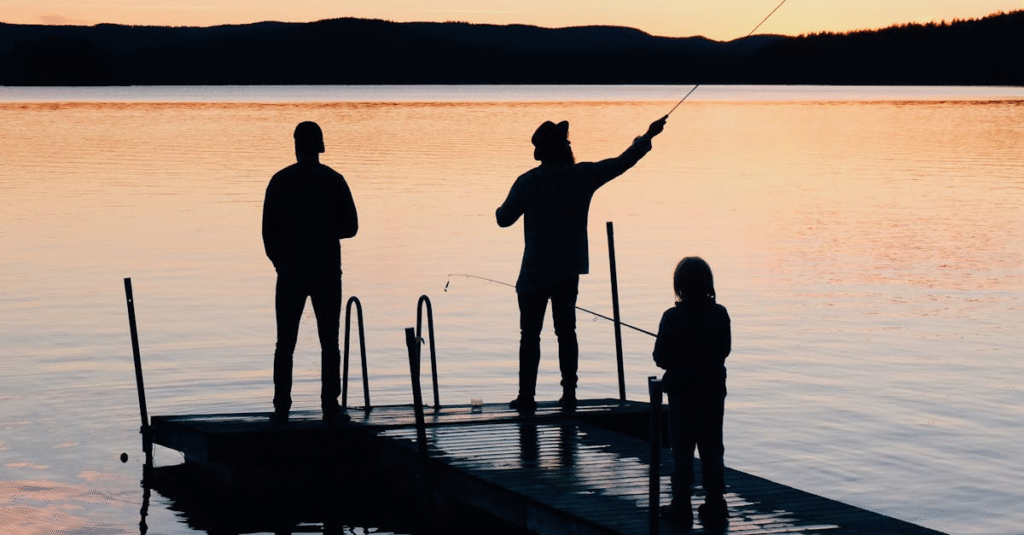
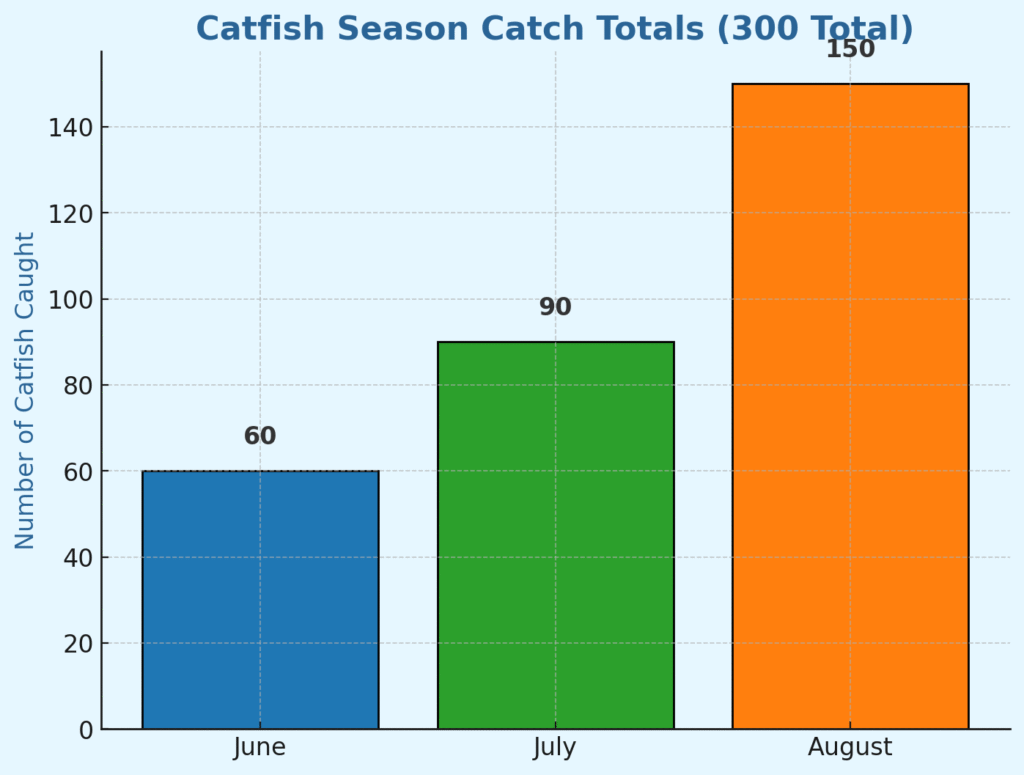
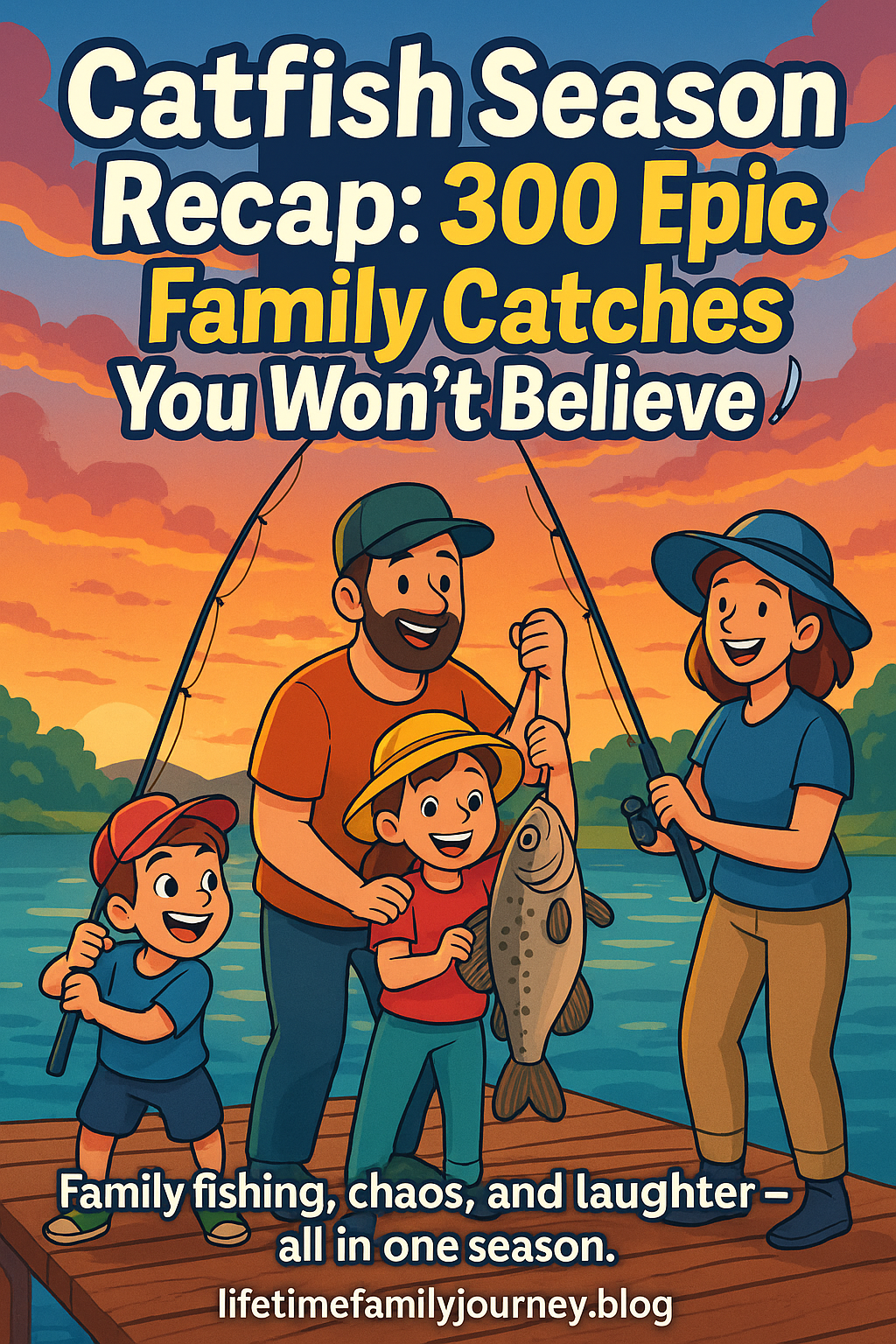
300 catfish this year. Six kids, one 4-foot dock, and enough fish stories to last until next season.
That number represents more than just successful nights on the water. It's proof that fishing with kids doesn't have to be perfectly organized to create memories that stick.
When people ask about our catfish season, they usually want to know about technique or gear. What they don't expect is the story about my oldest daughter belting opera songs at midnight to "call the fish," or how we developed a whole system around keeping everyone from falling off our tiny dock.
This wasn't just about catching fish. It was about finding a rhythm that worked for our family, learning what gear could handle six kids hauling fish straight up from the water, and discovering that some of our best conversations happen at 1 AM with fishing rods in hand.
“Some of our best conversations happen at 1 AM with fishing rods in hand.”
The learning curve was steeper than expected. Early catfish season trips involved tangled lines, lost bait, and more than one near-dunking when someone got too excited. But by mid-season, we'd developed systems that actually worked.
What surprised me most was how each kid developed their own fishing personality. Some became methodical checkers, testing bait every few minutes. Others turned into patient watchers, content to hold a rod and wait. A few became our designated "fish whisperers" who somehow always knew when something was on the line.
By the end of our catfish season, we weren't just catching more fish – we were functioning as a team in ways that amazed me.
🎣 Our Rod, Reel & Line Setup That Actually Worked
Here's what kept working after months of testing with kids who don't exactly baby their equipment.
🎯 Rod & Reel Combos That Survived This Catfish Season
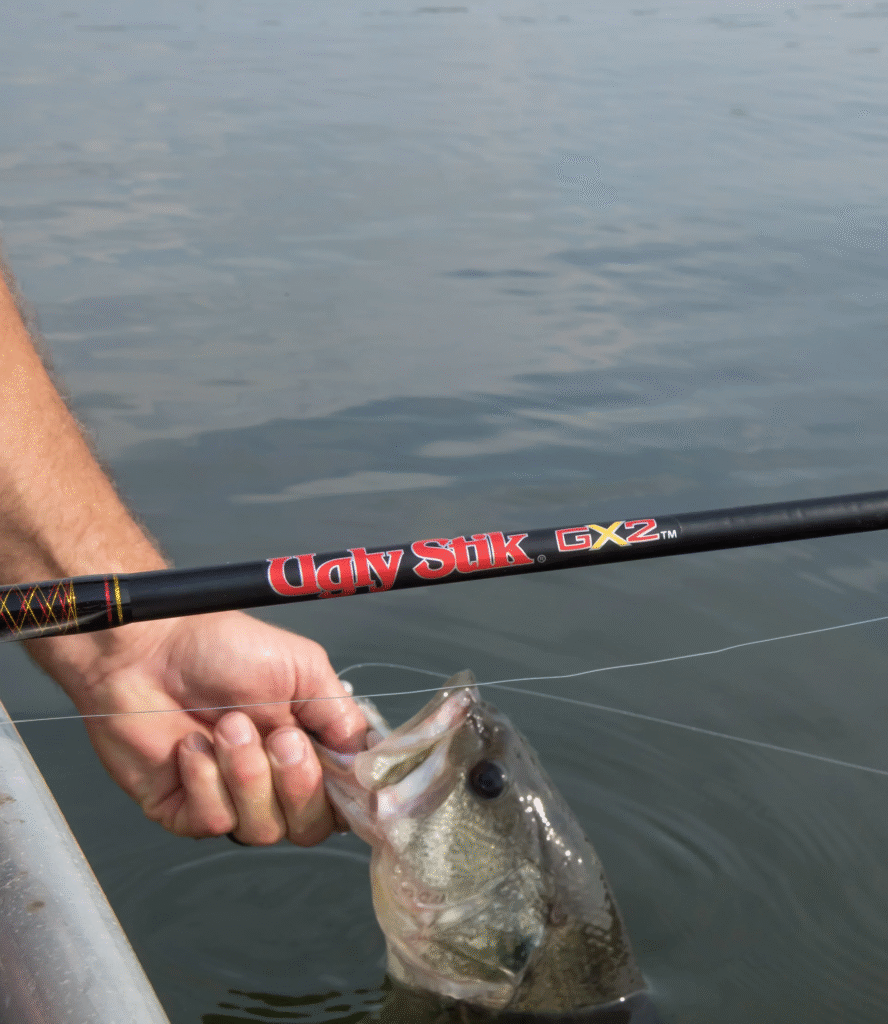
✅ Two Ugly Stik GX2 rods with stock reels – These took the most abuse and kept working. When your 12-year-old decides to use a rod as a walking stick, you appreciate something that won't snap.
https://youtu.be/yQsHnC89xus
✅ Penn Pursuit IV HT-100 on 7' Carbon Inshore (fast action) – My go-to when I actually want to feel the fish fight. The kids complained it was "too sensitive" when they grabbed it.
✅ Penn Pursuit IV HT-100 on 7' Intercoastal Medium Heavy – Solid middle ground between durability and performance. Handled everything from 2-pound catfish to the monsters.
✅ Two Ugly Stik Catfish 7' Medium Heavy rods with Bass Pro CatMaxx reels – Built specifically for catfish, and it shows. These never let us down during our heaviest nights.
✅ Ugly Stik Elite Pro Graphite 6'6" with Shimano Syncopate 2500FG – Lighter setup that the kids preferred for smaller fish. Still tough enough for our chaos.
✅ Ugly Stik Graphite Lite Pro 6'6" Medium (6–12 lb) with Shimano Syncopate 2500FG – Another kid favorite. Perfect size for their hands without being a toy.
✅ Shakespeare Micro Graphite 5'6" Light (4–8 lb) with Sigma 200 – Our smallest rod that somehow caught some of our biggest fish. Go figure.
✅ Centro 6'6" Medium (8–14 lb) with Centron 2000 – Budget option that punched above its weight class all season long.
💪 Why Ugly Stiks Keep Earning Their Spot
I know some "serious" fishermen turn their noses up at Ugly Stiks. Let them.
I've watched $200 rods snap while Ugly Stiks keep pulling fish after being dropped, stepped on, and used as tent poles by accident.
🎯 When you're fishing with kids who get excited and forget to be gentle, reliability beats prestige every time. These rods don't quit, and neither do we.
“When you’re fishing with kids, reliability beats prestige every time.”
Overkill for most catfish? Maybe. But when your kids haul fish straight up instead of fighting them properly, you need line that won't give up.
💡 The heavier line also handles our rocky bottom better and gives us confidence to let the kids handle their own fish. No more emergency re-rigging in the middle of good bites.
🌙 Our Night Fishing Rhythm
We only fish at night, starting 2–2.5 hours before high tide hits. Day fishing with six kids sounds like chaos I'm not ready for, and catfish bite better after dark anyway.
Our trips happen 2–3 nights every two weeks when conditions line up. Only five people maximum on our 4-foot dock – one parent always stays home with our 6-year-old who isn't quite ready for midnight fishing adventures yet.
📌 This rhythm works because it gives everyone something to look forward to without overwhelming our family schedule. The kids know which nights are "fishing nights" and plan accordingly.
“Fishing 2–3 nights every two weeks gave our family something to look forward to without overwhelming our schedule.”
Some nights we catch three fish total. Other nights we're scrambling to make room in the cooler. Either way, we're together, and that's the real win.
🌊 Reading Water and Weather Patterns
Upcoming Tides — Port Royal, Rappahannock River
Loading…
Source: NOAA Tides & Currents (Station 8635299)
Learning to read conditions became crucial for successful catfish season nights. We discovered that barometric pressure changes affect catfish feeding patterns more than we initially realized.
Falling pressure before storms often triggered feeding frenzies. Some of our best nights happened when weather looked questionable but hadn't turned bad yet. Kids learned to watch cloud formations and wind direction as indicators of potential fishing success.
Moon phases also played a role we hadn't expected. New moon periods consistently produced better results than full moon nights. The darker conditions seemed to make catfish more confident about moving into shallow feeding areas.
Water temperature became another factor we monitored. Our best bite windows occurred when surface temperature held steady between 68-75 degrees. Too hot or too cold, and activity dropped significantly.
These patterns helped us choose which nights to prioritize when schedules got tight. Instead of fishing randomly, we started planning around conditions that historically produced better results.
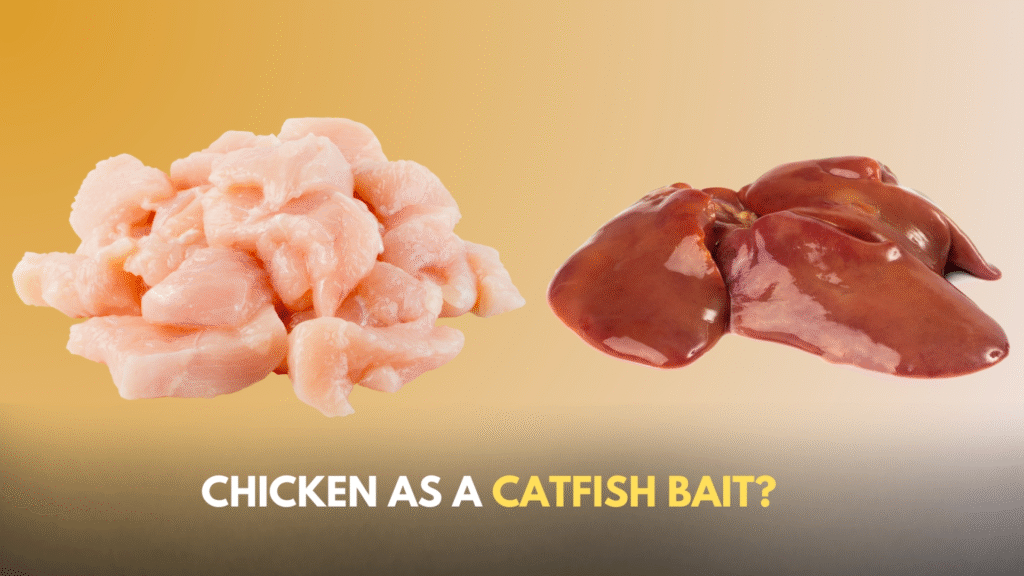
🍗 Bait That Actually Attracts Fish (And Kids Who Lose It)
Our go-to bait became chicken chunks mixed with cherry Jell-O. Sounds weird, tastes worse, catches fish consistently.
📌 Our bait prep process:
• Cut chicken thighs into 1-inch chunks at home • Coat chunks with dry cherry Jell-O powder • Sweet smell travels through water • Coating helps bait stay on hooks longer
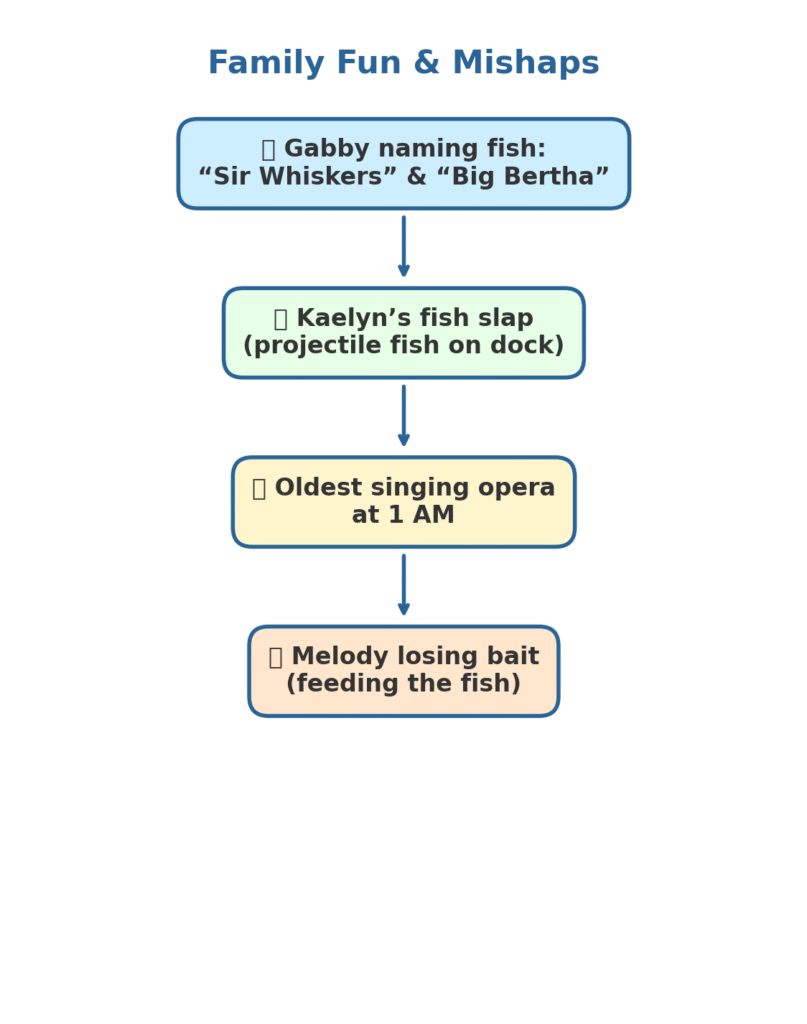
🎣 Melody has perfected the art of "feeding the fish" – which means losing bait every cast without catching anything. She insists the fish are just shy and need more food. At this rate, we've probably fed every catfish in a 2-mile radius.
🧼 Post-Fishing Hand Cleanup
After handling bait and fish all night, cleanup became crucial. Our hand-washing bucket contains:
• Water (base) • Dawn dish soap (cuts grease) • ½ cup white vinegar (neutralizes fish oils) • Dash of lemon juice (fresh scent)
💡 This combo cuts through fish slime and bait smell better than anything else we've tried. The vinegar neutralizes fish oils while the lemon leaves everyone's hands smelling decent for the ride home.
🛶 Dock Life: Making 4 Feet Work for Five People
Our dock measures exactly 4 feet by 8 feet. Fitting five people with fishing gear requires strategy that would impress military logistics coordinators.
👥 Everyone gets assigned a position before we start fishing. No switching spots once lines are in the water – learned that lesson after several tangles that required cutting and re-rigging multiple rods.
Two cooler system with bungee-strapped lids keeps our catch organized and prevents escape attempts. Small cooler for fish under 2 pounds, large cooler for everything else. Bungee cords keep lids secure even when kids get excited and bump into everything.
🐟 Even with our system, fish occasionally make dramatic escapes. Nothing quite matches the panic of watching a 5-pound catfish flop toward the water while three kids scramble to catch it in the dark.
Heavy fishing nights mean 20+ fish stacked in coolers, kids sitting shoulder-to-shoulder, and constant reminders about watching where everyone steps. Organized chaos at its finest.
💡 The dock forces us to work as a team in ways that wouldn't happen with unlimited space. Kids learn to share, communicate, and help each other succeed because there's literally nowhere else to go.
😂 The Family Fun That Makes It All Worth It
Gabby names every fish she catches. "Sir Whiskers" was a 3-pound catfish with particularly impressive barbels. "Big Bertha" was a monster that fought for 10 minutes before coming up. She genuinely gets upset when we clean fish she's named.
🎣 Kaelyn reels so fast that fish sometimes launch onto the dock and slap someone in the head. Physics lesson: when you reel a 2-pound fish at maximum speed from 8 feet down, it becomes a projectile. She's scored direct hits on three different siblings this season.
Fish juice splashing on clothes guarantees immediate complaints and dramatic reactions. You'd think we were dealing with toxic waste instead of harmless catfish slime. The complaints are half the entertainment.
“Fish juice splashes on clothes guarantee immediate complaints — and half the entertainment.”
🎵 Our oldest daughter belts opera songs at 1 AM because she's convinced it attracts fish. Her theory is that vibrations travel through the water and make catfish curious. Whether it works or not, her performances definitely attract attention from other fishing families nearby.
Melody gets blamed for every slow bite. If fish aren't biting, someone will inevitably point out that it's because Melody scared them all away. She's learned to own this reputation and now threatens to "scare more fish" when her siblings annoy her.
🏆 Natalie caught the most fish this catfish season – 47 total. She developed a system of checking her bait every 15 minutes and adjusting depth based on current flow. The competitive streak runs strong in our family, and she's earned bragging rights until next season.
💭 Between fish, we talk about everything. School stress, friendship drama, future plans, random thoughts that only surface at midnight. Some of our best conversations happen with fishing rods in hand and no pressure to make eye contact.
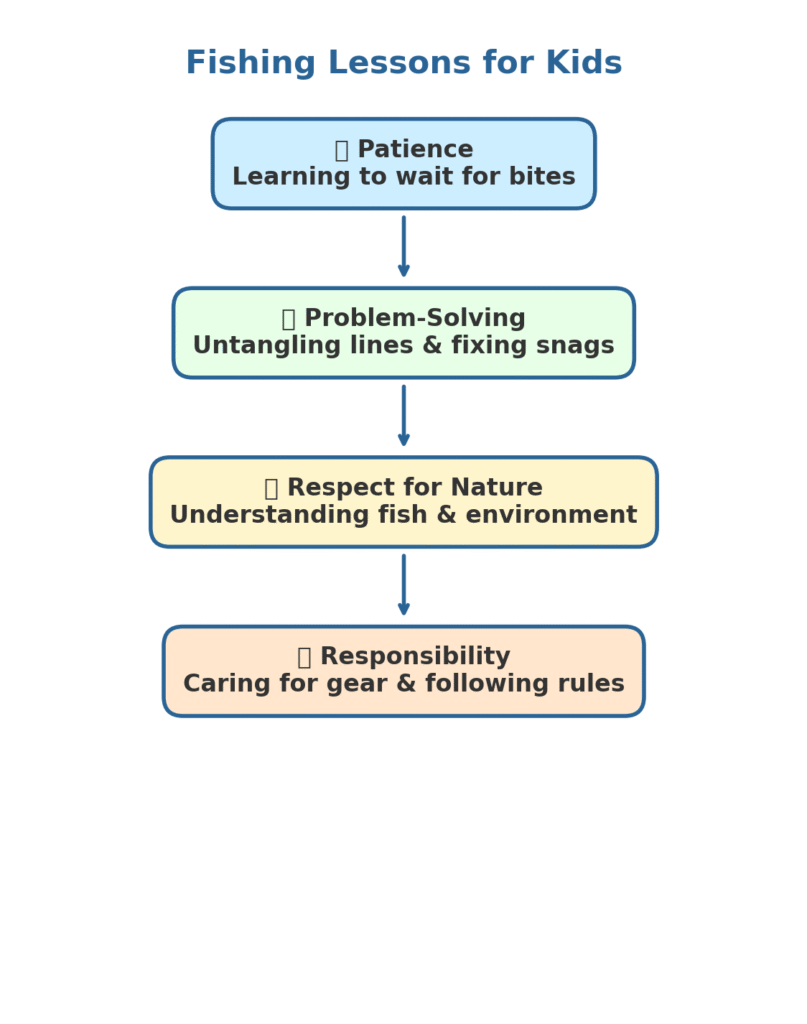
🎣 Teaching Moments That Stick
Every catfish season trip became an opportunity for lessons that went beyond fishing technique. Kids learned patience when fish weren't biting, persistence when lines got tangled, and teamwork when someone needed help landing a big fish.
Problem-solving skills developed naturally. When reels jammed, kids learned to troubleshoot instead of panic. When bait ran low, they strategized about rationing what remained. When lines crossed, they worked together to untangle without cutting and re-rigging.
Respect for nature grew through repeated exposure. Kids started noticing how water conditions affected fish behavior, how weather patterns influenced feeding times, and how their actions impacted the environment around them.
Responsibility became personal when each child was assigned specific gear to maintain. They learned that taking care of equipment meant better fishing experiences for everyone. Broken gear meant sitting out until repairs could be made.
These lessons stuck because they were learned through experience, not lectures. Kids remembered fishing rules because forgetting them had immediate, real consequences.
🧊 From Dock to Freezer: Our Fish Processing System
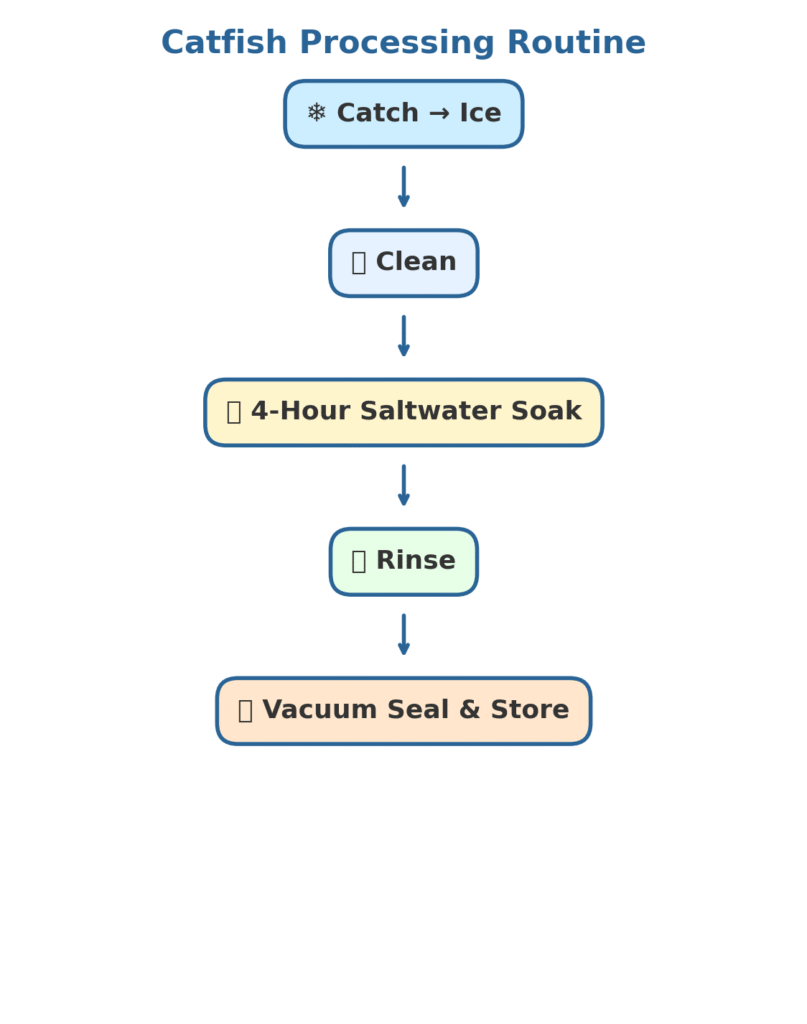
Step 1: Catch goes straight on ice ❄️ No exceptions, no matter how excited everyone gets. Fish quality starts the moment it comes out of the water.
“Fish quality starts the moment it comes out of the water.”
Step 2: Next day processing at home becomes a family affair: • Clean fish together – everyone old enough gets involved • Soak fillets in saltwater for 4 hours to remove muddy taste • Rinse thoroughly with cold water • Sometimes freeze fillets briefly before sealing for better texture
🚨 Pro tip: Pat fillets completely dry before sealing – moisture causes seal failures and freezer burn.
💡 The entire process generates more family conversation than the actual fishing sometimes. Kids compare fillet techniques, argue about the "right" way to remove bones, and share stories about catching specific fish.
Processing fish becomes quality time instead of a chore when everyone participates. Even our youngest helps by organizing sealed packages and labeling them with catch dates.
🍽️ From Catfish to Kitchen: Making the Most of Your Catch
The best part about a successful catfish season is the months of meals that follow. We've developed several go-to recipes that work well for large families and make the most of our vacuum-sealed fillets.
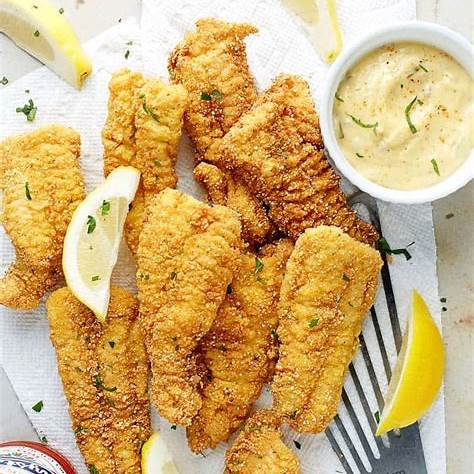
Catfish nuggets became our most popular preparation. Cut fillets into bite-sized pieces, coat in seasoned cornmeal, and pan-fry until golden. Kids love the finger-food format, and it stretches the fish further when feeding eight people.
Blackened catfish works perfectly for family dinner nights. Season fillets with Cajun spices and sear in a hot cast-iron pan. Serve over rice with steamed vegetables for a complete meal that feels restaurant-quality.
Fish tacos turned into a family favorite that uses smaller fillets effectively. Pan-seared catfish topped with cabbage slaw and lime crema creates meals that feel special without requiring complicated techniques.
Catfish and grits became our go-to comfort food during cold months. The combination reminds everyone of successful summer fishing nights while providing warming, filling meals when weather keeps us indoors.
Having a freezer full of fish means flexibility in meal planning that grocery store purchases can't match. When dinner plans fall through, catfish fillets provide quick, protein-rich solutions that kids actually enjoy eating.
🛠️ Gear Maintenance That Actually Matters
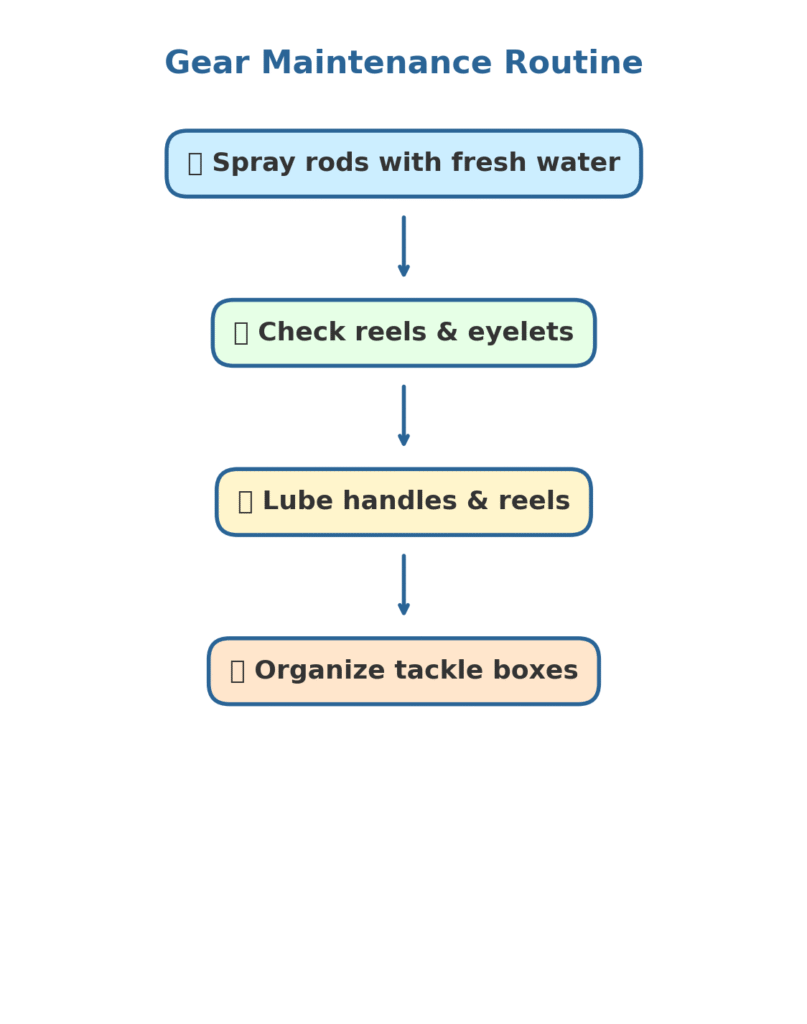
Rods get sprayed off every few weeks with fresh water, especially the guides and reel seats. Salt air corrodes everything eventually, but regular rinsing extends life significantly.
Reels and eyelets get checked regularly for smooth operation. A few drops of reel lubricant on handles and internal mechanisms keeps everything turning smoothly. Kids learn to maintain their own gear as part of fishing responsibility.
Rod holders and tackle boxes get the same attention. Clean, organized gear works better and teaches kids to respect their equipment. They're more careful with things they help maintain.
Simple maintenance prevents bigger problems and keeps everyone fishing instead of dealing with equipment failures at the worst possible moments.
📝 Key Lessons From This Catfish Season
✅ Heavy line saves more fish when kids haul straight up – Teaching proper fighting technique takes time. Using stronger line keeps fish connected while they learn.
✅ Ugly Stiks prove their worth year after year – Reliability matters more than sensitivity when fishing with kids who are still learning to handle gear carefully.
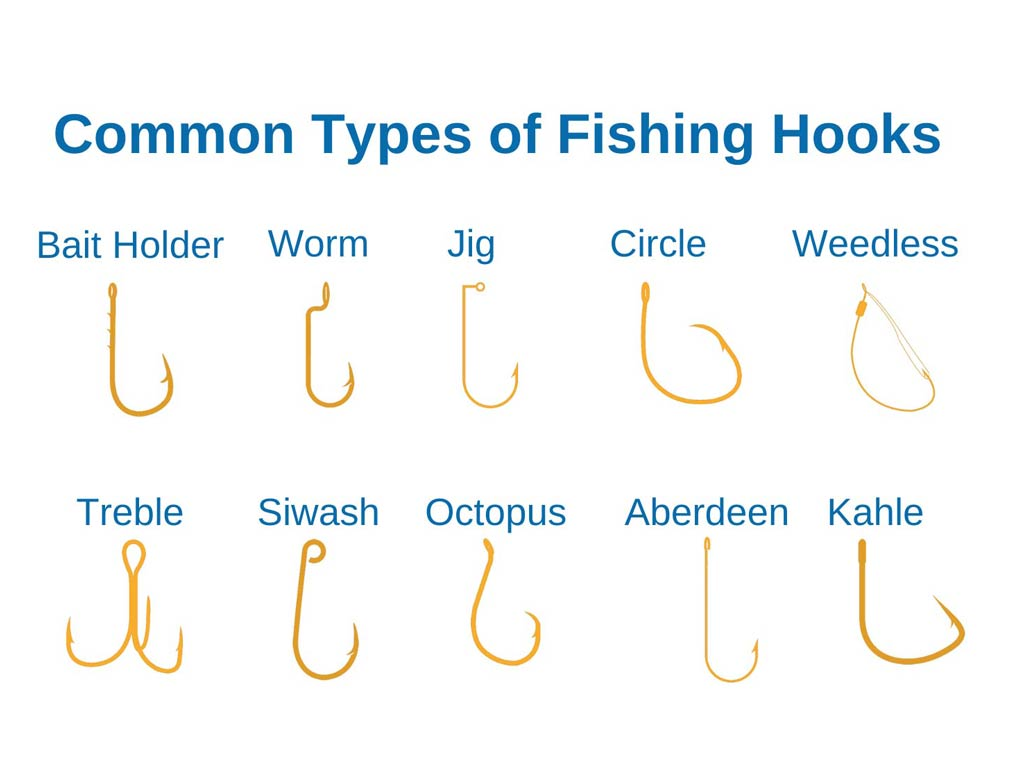
✅ Circle hooks hold better when rods stay bent under fish weight – J-hooks pulled out too often when kids got excited and yanked instead of maintaining steady pressure.
✅ Cooler control matters as much as rod selection – Fish escape attempts create chaos that disrupts everyone's fishing. Proper cooler setup prevents most problems.
“Cooler control matters as much as rod selection when fishing with kids.”
✅ Everyone of legal age carries a Virginia fishing license – No exceptions, no excuses. We follow all regulations and teach kids that rules apply to everyone. Check Virginia Department of Wildlife Resources for current requirements.
✅ Night fishing eliminates most crowd issues while providing better catfish action. Win-win for large families who need space to spread out.
✅ Consistent bait preparation produces more consistent results than experimenting with new options every trip. Kids like routine, and fish respond to familiar scents.
✅ Two-cooler system handles varying fish sizes better than trying to cram everything into one container. Organization prevents damage and makes processing easier.
🏆 Building Confidence Through Catfish Season Success
Watching kids develop confidence through fishing success provided unexpected rewards beyond the actual catch totals. Each successful hook-set, properly fought fish, and cleanly landed catfish built skills and self-assurance that carried over into other areas of their lives.
Gabby overcame initial fear of handling fish after her first few successful catches. By mid-season, she was confidently unhooking her own catfish and helping younger siblings with theirs. The progression from squeamish to capable happened gradually through positive experiences.
Kaelyn's competitive nature found healthy outlet through fishing achievement. Instead of competing against siblings in ways that created conflict, she channeled that energy into improving her own technique and catch rates. Success came from personal improvement rather than defeating others.
Our middle daughters learned patience in ways that classroom settings couldn't teach. Waiting for fish to bite, carefully working through tangled lines, and persisting through slow nights built tolerance for delayed gratification that benefits them everywhere.
Even our youngest developed responsibility through age-appropriate fishing tasks. Organizing tackle, maintaining simple equipment, and following safety rules gave her ways to contribute meaningfully to family fishing success.
These confidence gains happened naturally through repeated positive experiences rather than forced lessons or artificial challenges. Kids learned they could handle difficulties, solve problems, and contribute to family activities in meaningful ways.
🌟 More Than Just 300 Catfish
Looking back at this catfish season, the number 300 tells only part of the story. Those fish represent dozens of nights spent together, countless conversations, shared excitement over successful catches, and lessons learned through experience.
Gabby's named fish, Kaelyn's projectile fishing technique, opera performances at midnight, and Melody's reputation as the fish-scaring specialist – these moments matter more than any fishing statistic.
“300 catfish was great, but the laughter, opera singing, and fish names mattered more.”
Our freezer is stocked with enough catfish fillets to last months. More importantly, we've built traditions and memories that will outlast any single fishing season. The kids already talk about "next year" and improvements they want to make to our system.
Family fishing adventures don't require perfect equipment or ideal conditions. They need commitment to showing up, patience with chaos, and willingness to find fun in unexpected moments.
Fishing with kids teaches lessons beyond technique – teamwork, patience, respect for nature, and how to handle both success and disappointment. These lessons stick long after the fish are eaten.
Best fishing rods for catfish in our family turned out to be the ones that kept working despite abuse, not necessarily the most expensive or technically advanced options. Sometimes practical trumps perfect.
Vacuum sealing fish preserves both the catch and the memory of catching it. Every package in our freezer connects back to a specific night, specific fish, and specific family moment.
This catfish season proved that simple activities can create the strongest family bonds when approached with the right attitude and realistic expectations.
🎣 Why Family Fishing Creates Lasting Impact
Our 300-fish season taught us that the numbers only tell part of the story. The real transformation happens in the development of life skills that extend far beyond the water.
🧠 Builds Patience & Focus Research shows fishing significantly improves concentration and helps children with ADHD develop better focus skills. Kids learn to wait, watch, and pay attention to subtle changes – skills that transfer directly to schoolwork and other activities.
💪 Develops Problem-Solving Skills When fish aren't biting, kids naturally start analyzing conditions. Is it the bait? The weather? Water temperature? This critical thinking development happens organically through trial and error.
❤️ Strengthens Family Bonds Uninterrupted quality time creates deeper connections and improves family communication. Some of our best conversations happened at 1 AM with fishing rods in hand – topics that never would have surfaced during regular daily routines.
🌿 Connects Kids to Nature Outdoor exposure reduces anxiety, improves mental health, and fosters environmental appreciation. Kids who fish develop a natural respect for water ecosystems and conservation practices.
🏆 Builds Confidence Each successful catch boosts self-esteem and teaches persistence through challenges. The satisfaction of successfully landing a fish after hours of patience creates lasting confidence that applies to other areas of life.
📋 Teaches Responsibility Kids learn gear maintenance, fishing regulations, and respect for nature. They understand that taking care of equipment means better fishing experiences, and following rules protects resources for everyone.
💡 The real victory isn't measured in fish caught – it's measured in family memories made, skills developed, and traditions established that will last for generations.
📅 Year-Round Family Fishing Guide
While our catfish season focused on summer night fishing, families can create fishing memories throughout the year by understanding seasonal patterns and opportunities.
🌸 Spring Fishing (March - May)
Best Fish: Bass during spawning season, crappie in shallow water, bluegill with active feeding Prime Times: Early morning (6-10 AM) and late evening (5-8 PM) Family Tips: Dress in layers, perfect time for wildlife watching, ideal for teaching basic techniques
☀️ Summer Fishing (June - August)
Best Fish: Catfish during night fishing, carp in early morning, sunfish all day Prime Times: Night fishing (8 PM - 2 AM), dawn (5-8 AM) Family Tips: Bring sunscreen and bug spray, pack lots of water and snacks, night fishing creates magical memories
🍂 Fall Fishing (September - November)
Best Fish: Bass feeding up for winter, walleye in cooler water, catfish still active Prime Times: Extended mid-day fishing (10 AM - 4 PM), longer morning sessions Family Tips: Pack warm layers, beautiful scenery creates great photo opportunities, fish are more predictable
❄️ Winter Fishing (December - February)
Best Fish: Trout in cold water, pike in deep water, catfish with slower bites Prime Times: Midday warmth, stable weather days only Family Tips: Dress very warm, bring hot drinks and snacks, keep trips shorter (1-2 hours maximum)
🎯 Our 300-fish success came from focusing on summer night catfish fishing – but every season offers unique family fishing opportunities when you know what to target and when.
❓ Common Family Fishing Challenges We Solved
Every fishing family faces similar obstacles. Here's how we turned problems into learning opportunities during our 300-fish season.
😴 Challenge: Kids Get Bored When Fish Aren't Biting
❌ The Problem: Complaining after 30 minutes, wanting phones, getting restless and noisy ✅ Our Solution: Bring nature observation games, practice casting techniques, let them explore shoreline safely, rotate responsibilities between kids, tell fishing stories and legends
💥 Challenge: Equipment Keeps Breaking
❌ The Problem: Rods snapped from misuse, reels jammed with debris, lines tangled beyond repair ✅ Our Solution: Invested in Ugly Stik rods (nearly indestructible), packed backup tackle and extra line, taught basic maintenance skills, chose kid-friendly locations
😰 Challenge: Kids Afraid to Touch Fish
❌ The Problem: Won't handle catches, scared of fish slime, worried about getting hurt ✅ Our Solution: Started with touching fish while still in water, used wet hands and towels for handling, let them progress at their own pace, demonstrated proper techniques
🎣 Challenge: Never Catching Anything
❌ The Problem: Hours without bites, kids getting discouraged, poor timing and location choices ✅ Our Solution: Researched local fishing reports, asked bait shops for current conditions, fished during proven prime times, used locally recommended baits
🛶 Challenge: Limited Dock Space
❌ The Problem: Five people on 4-foot dock, constant tangles, safety concerns ✅ Our Solution: Assigned specific positions before fishing, established "no switching spots" rule, used two-cooler organization system, taught teamwork necessity
💪 Key Lesson: Every challenge became a teaching moment that strengthened our family fishing skills and brought us closer together.
🗓️ Planning Your Family Fishing Adventure
Based on our 300-fish season experience, here's the step-by-step process that turns fishing trips from chaotic disasters into successful family adventures.
📍 Step 1: Choose Location (3-7 days before)
Research local fishing spots and read recent fishing reports
Check license requirements for all family members
Verify accessibility and safety for your group size
Set realistic expectations about catch possibilities
Give everyone specific job responsibilities
Ensure life jackets are properly fitted and worn
🎣 Step 4: Fish & Create Memories (2-3 hours max)
Start 2-3 hours before high tide for best results
Celebrate every catch regardless of size
Take photos and encourage storytelling
Stay patient and maintain positive attitudes
Put fish on ice immediately after catching
🔪 Step 5: Process & Plan Next Trip (next day at home)
Clean fish together as family learning activity
Soak fillets in saltwater for 4 hours to improve taste
Vacuum seal portions for future family meals
Share stories about specific catches and funny moments
Start planning the next fishing adventure while excitement is high
🌟 Success Metrics: Everyone had fun, someone caught at least one fish, no injuries occurred, kids want to go fishing again, and you created lasting family memories.
✅ Ready for Your Own Family Fishing Season?
Our catfish season taught us that success isn't measured only in numbers caught. The real victory happens in shared experiences, learned lessons, and traditions that bring families closer together.
🎯 Whether you're just starting family fishing adventures or looking to improve your current approach, remember that flexibility and patience matter more than perfect technique. Kids learn by doing, and some of the best lessons come from handling unexpected situations together.
Your family's fishing story will look different from ours, and that's exactly how it should be. Find what works for your situation, embrace the chaos that comes with fishing with kids, and focus on creating positive experiences everyone will remember.
🌟 The fish are waiting, the memories are ready to be made, and your next family adventure starts whenever you decide to get started.